.jpg)
.webp)

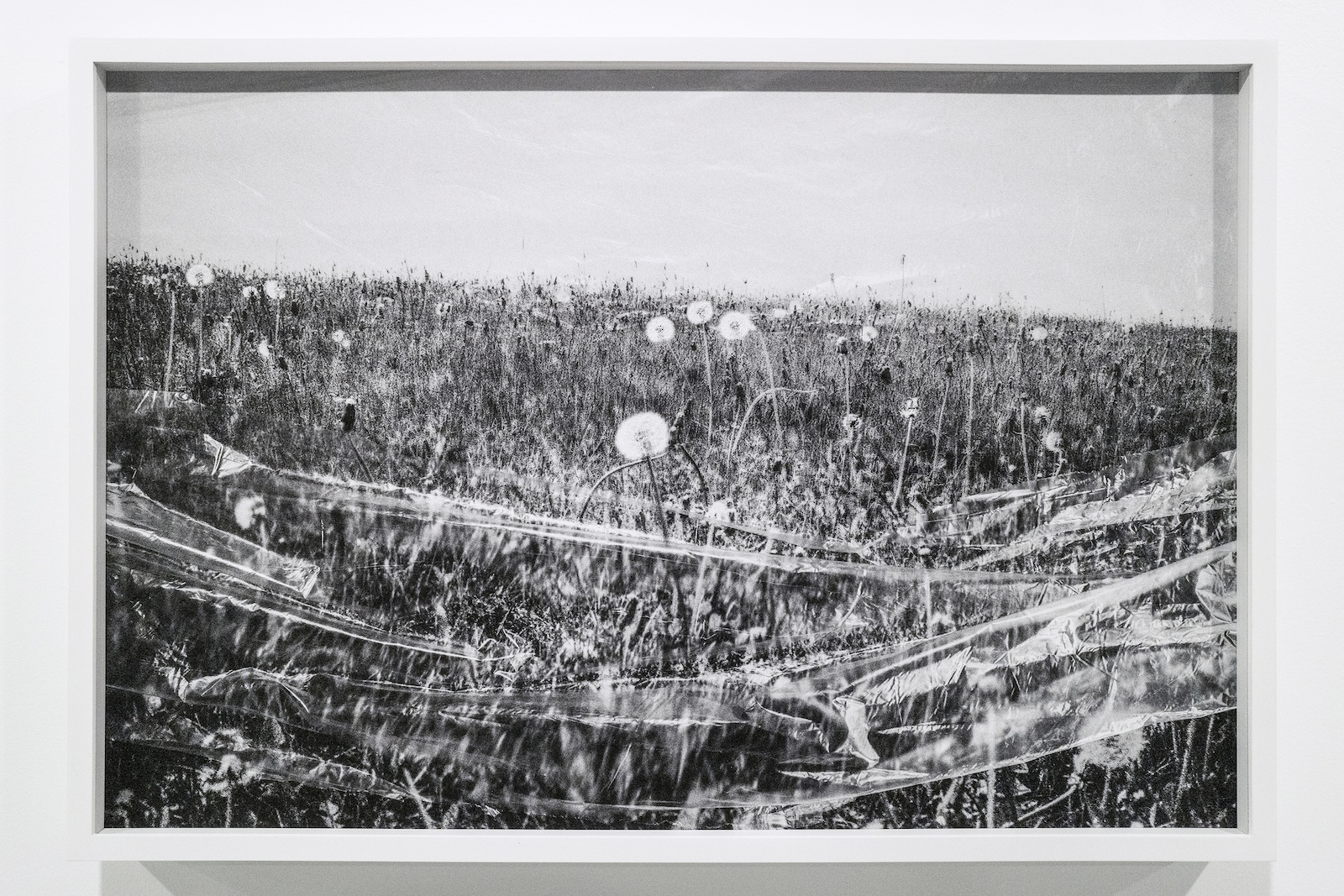
Chia-Yun Wu: “Elsewhere” at Nunu Fine Art
Review
There are lots of reasons to make art: it might be the process of making itself; it might be the desire to communicate something and to be part of a larger art discourse; it might be an internal urge to express; or it might be to create an art product for a particular market. The artist Adrienne Leban once said that the need to express is a human phenomenon akin to breathing—we inhale, we exhale. Impression, expression. We take in the world, and we are compelled to give something back.
Almost as many reasons as there are to make art, there are many different kinds of art fairs. As places to see art—to have an emotional experience of art—art fairs are often lacking. By nature, they are generally a place of art consumerism. They are a shopping experience curated for the collector. Not to be totally reductive, there is often great work at fairs, and just like anything in the art world, there is a veil of meaning that shrouds an art fair with a mystique. Regardless, seeing work at an art fair is usually not an experience of in-depth criticality, nor is there much room for having an intimate reading of a work. And then there’s the Outsider Art Fair.
Walking into the Outsider Art Fair is a visual onslaught: work is displayed with little room to let the eye breathe between works. At first blush, there are lots of busy patterns and garish colors together. There are lots of animal shapes and woven fuzziness. For someone used to seeing art in a white-cube setting where everything is precious, it takes some time to adjust to the Outsider Art Fair style. But slowly, the works come into focus. With a little patience and openness, the works themselves unfold. Then the surprises reveal themselves.
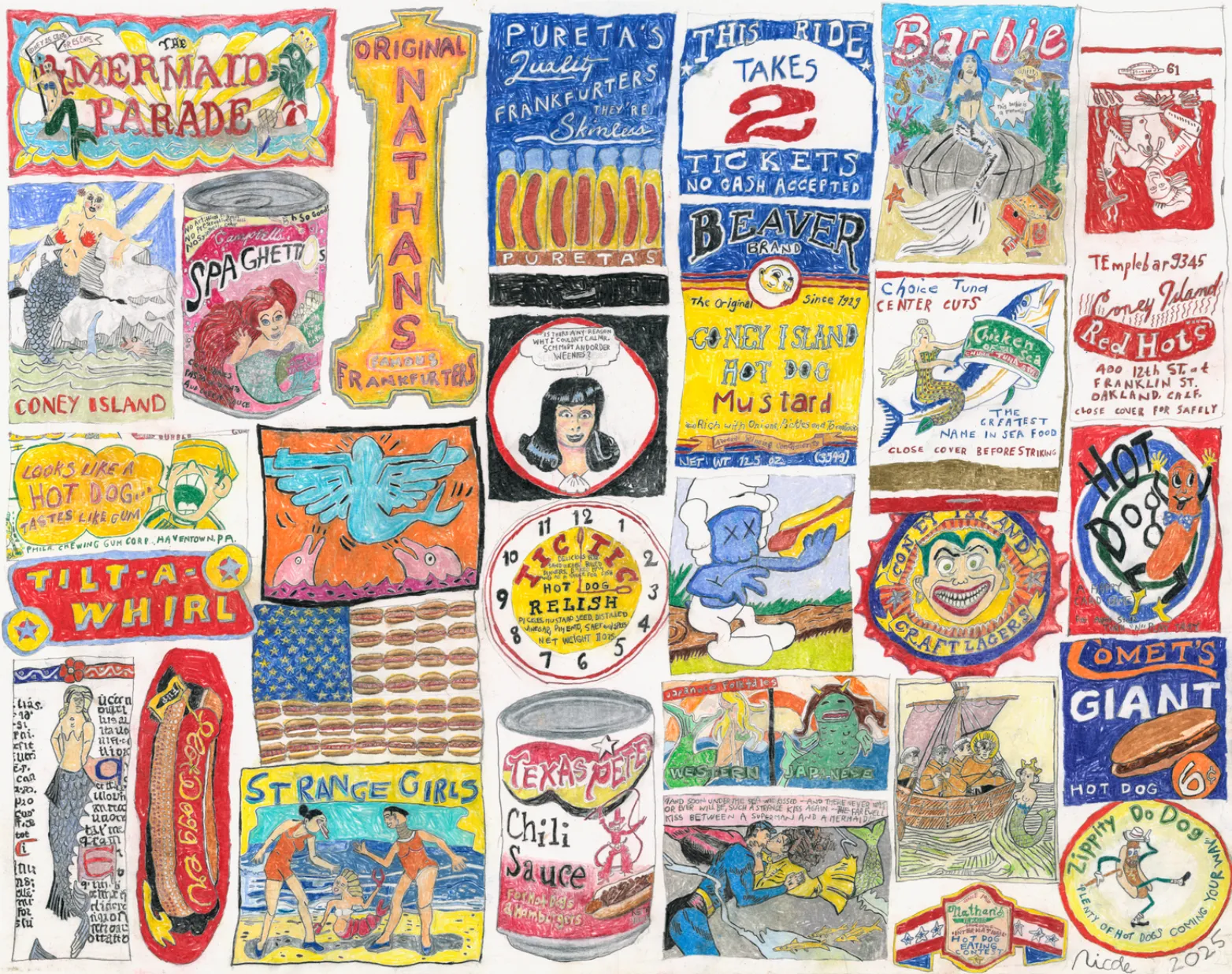
While the commercial aspects of art are definitely at the forefront, the general vibe is in stark contrast to other art market events. The air of cordiality is almost shockingly palpable. Matthew Murphy of LAND Gallery excitedly led me to see Nicole Appel’s work at Andrew Edlin Gallery. Murphy couldn’t control his excitement, “Look! They stole my artist! So great!” LAND Gallery has a distinct mission to teach life skills through the medium of art. Founded in 2005, it serves as both a studio and a gallery for adult artists with developmental disabilities. For LAND, when an artist gets recognized by outsider royalty like Andrew Edlin Gallery (whose satellite company, Wide Open Arts, has been the owner of the Outsider Art Fair since 2012), it’s an overwhelmingly proud moment. Not only has LAND fulfilled its mission, but the quality of the work is also validated by the market.
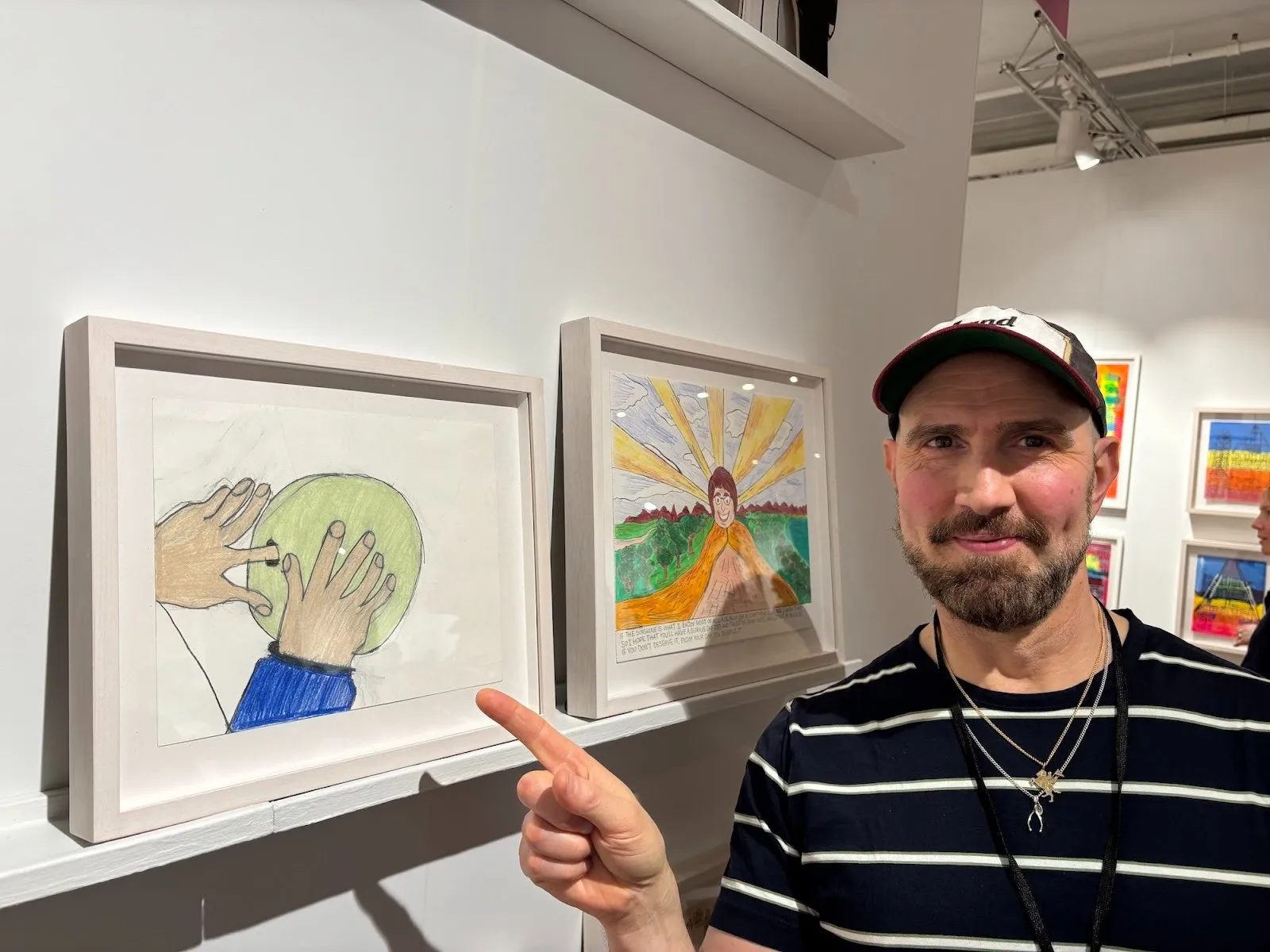
This wasn’t a unique moment. All throughout the Metropolitan Pavilion, the competitive vibe of the art market disappeared into congeniality. Viewers were excited to discover new and weird things, and gallerists were open and convivial. Nowhere in the art world are people ever so gleeful about art.
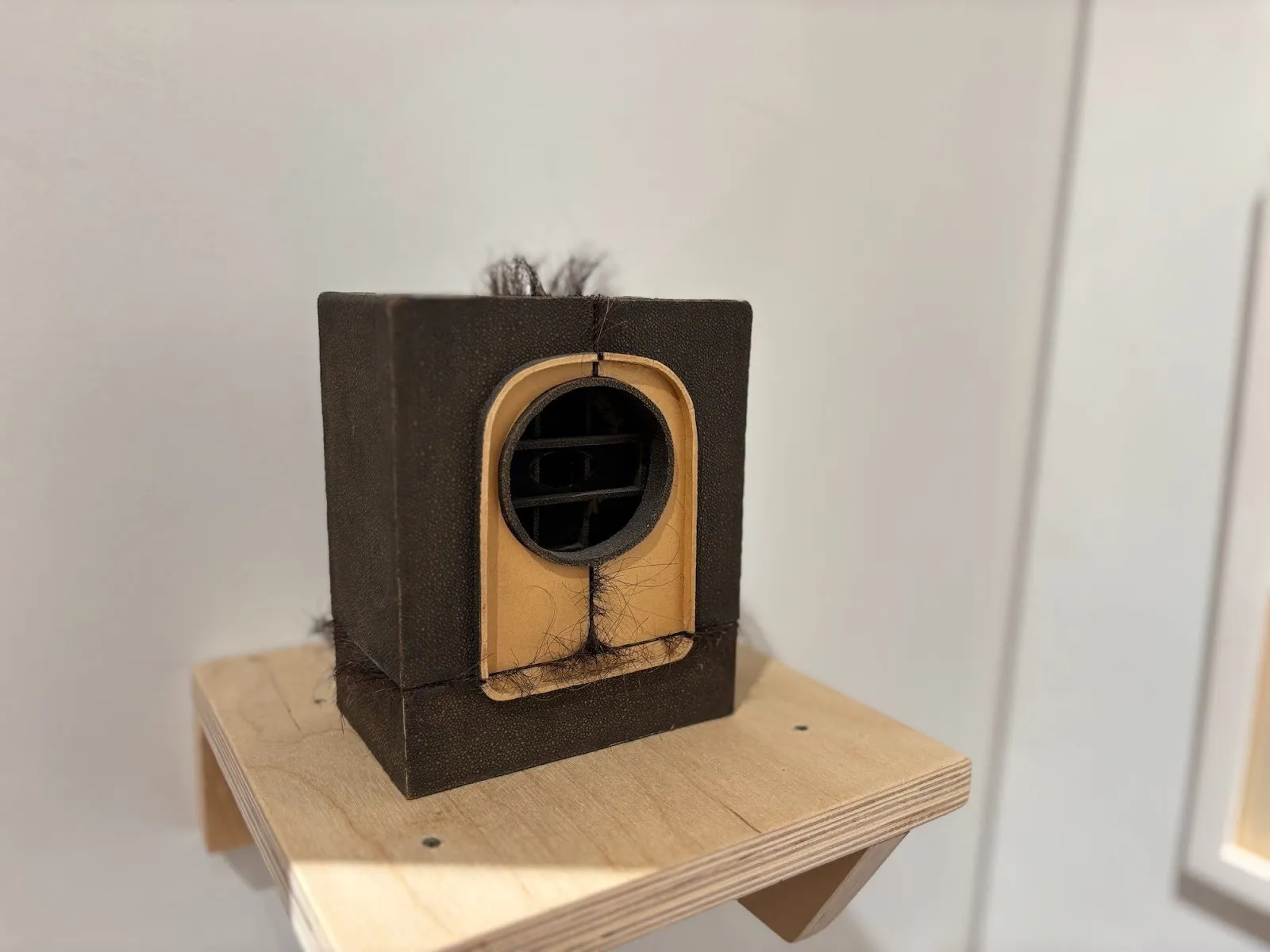
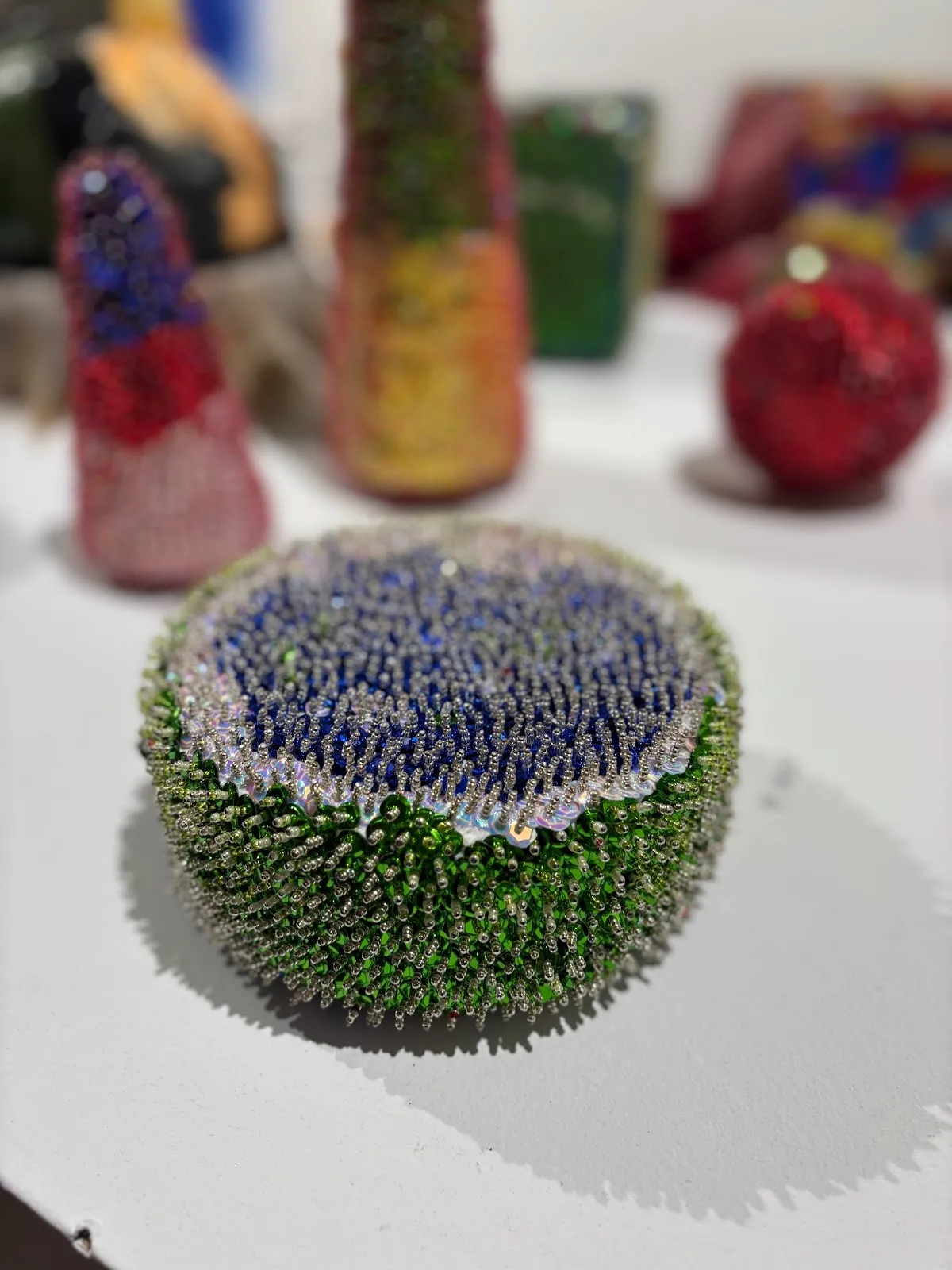
As of recently, the question of separating the artist from the art has been on everyone’s mind. Furthermore, global and local conflicts make identifying origins and experience embedded in our judgment. No wonder we are fascinated by the stories of the artists at the OAF. Each one is a curiosity. “Who is this artist? Why did they make this work?” Many of the artists caught my attention. For example, dan Waller of Kishka Gallery and Library, whose sculptures were like hairy mini Lee Bontecou works, is a building superintendent. At Creative Growth, Monica Valentine, who lost her sight at birth, makes stunning, sparkling, and beaded small textural works.
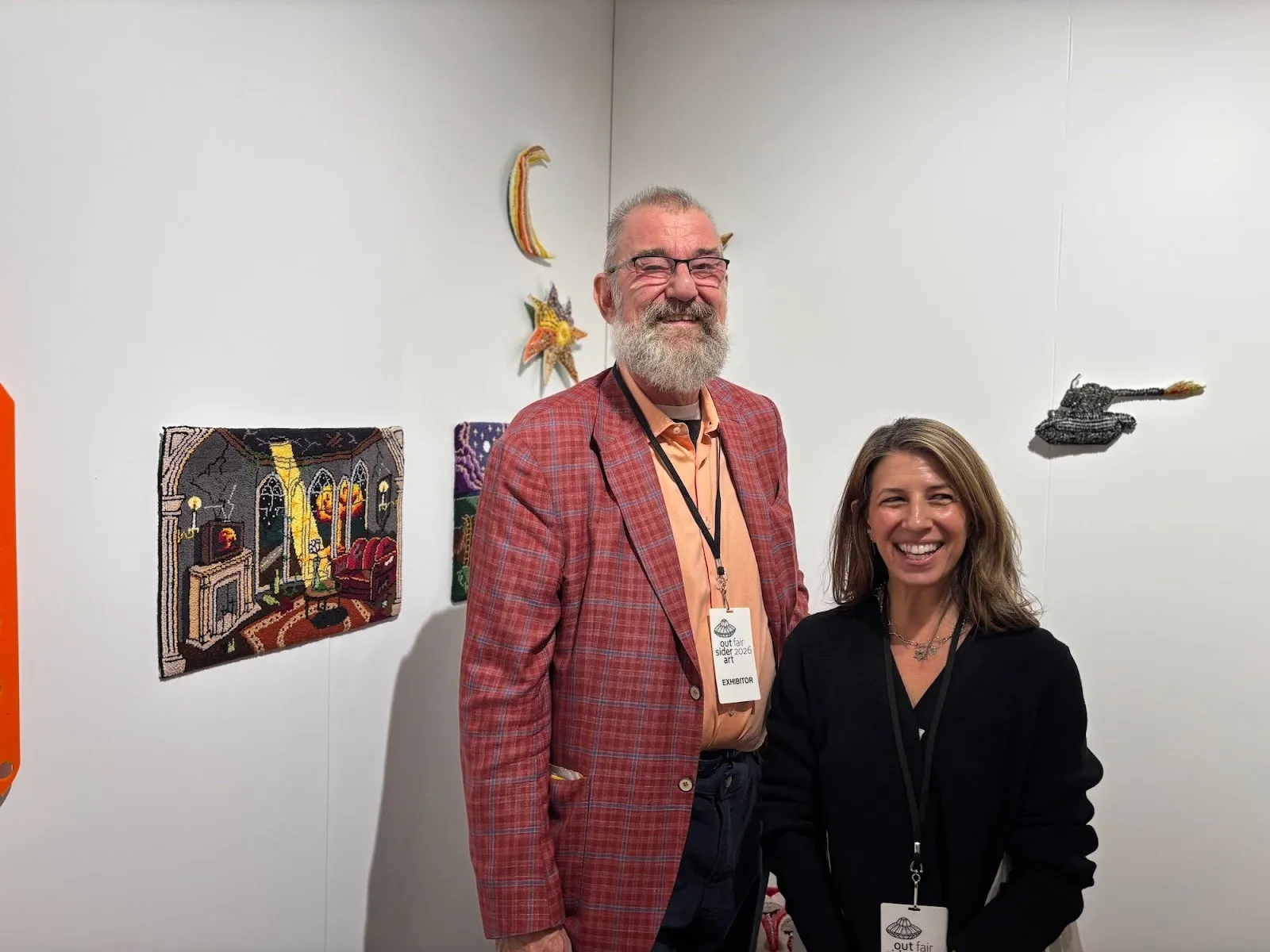
From the more historically insider art track, art dealers Marisa Newman and Bill Arning teamed up to present works from Uta Bekaia and Matthew Gilbert, both of whom invite onlookers to slow down and be drawn into the magical, fantastical worlds created through their distinct textile styles. Bekaia’s tapestries depicting Georgian folkloric ancestral rituals serve as a means of processing political realities, while Gilbert’s plushies are their own psychic soft protection against outside evils.
Returning, finally, to the commercial register, there were so many pieces at very affordable prices. Yet they resisted the flattening logic of easy consumption and were instead playful, fun, and materially attentive. As an environment, the fair offered a mode of looking that was at once disarming and unexpectedly generative, allowing for an afternoon structured by the slow accrual of small, idiosyncratic pleasures.
The Outsider Art Fair took place at the Metropolitan Pavilion from March 19 to March 22, 2026.